3D Puff Embroidered Patches: Adding Dimension to Your Designs
Learn about 3D puff embroidered patches: how foam backing creates dimensional designs, best applications, design tips & techniques. Discover how raised embroidery can elevate your brand with tactile, eye-catching designs.

What Are 3D Puff Embroidered Patches?
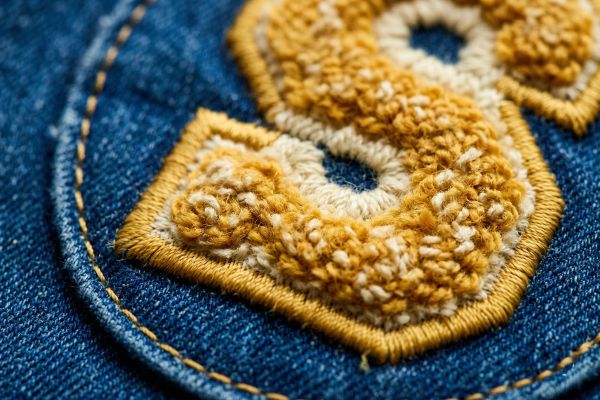
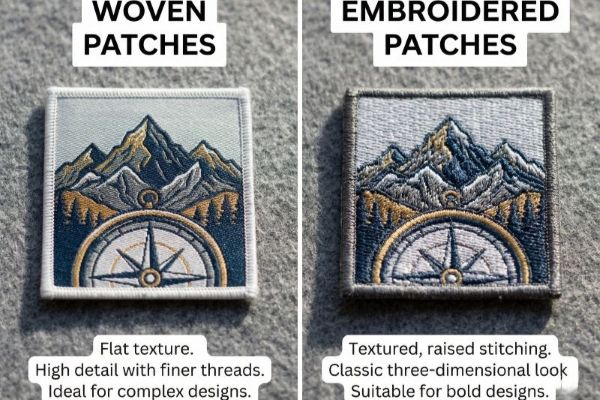
3D puff embroidered patches, also known as raised embroidery or foam embroidery, represent one of the most visually striking and tactile patch styles available. Unlike traditional flat embroidery, 3D puff patches use special foam backing material that creates dramatic elevation, making designs literally stand out from the fabric. This technique transforms ordinary embroidery into three-dimensional works of art that beg to be touched and admired.
The magic of 3D puff embroidery lies in its unique construction. Special polyurethane foam is placed underneath the embroidery design before stitching begins. As the embroidery machine stitches through both the foam and the base fabric, the foam compresses slightly but maintains its thickness, creating that signature raised effect. Once stitching is complete, any excess foam is carefully trimmed away, leaving only the beautifully raised design. Puff embroidery is a specialized technique within the broader embroidery craft that has been refined over decades (Wikipedia, 2026).
How 3D Puff Embroidery Works
Creating quality 3D puff patches requires specialized materials, techniques, and expertise. The process is more complex than standard embroidery but the results are well worth the extra effort.
Materials Used in Puff Embroidery
Several specialized materials are essential for successful puff embroidery:
- Puff Foam: Available in various thicknesses (typically 2mm to 5mm), this polyurethane foam provides the elevation. Thicker foam creates more dramatic effects but requires more specialized handling.
- Heavy-Duty Thread: Puff embroidery requires stronger thread that can stand up to the tension of stitching through foam. Polyester thread is most commonly used for its durability and color fastness.
- Sturdy Backing Fabric: A strong twill or felt backing provides the necessary foundation to support the raised design without stretching or distorting.
- Specialized Needles: Larger, sharper needles are used to cleanly penetrate both the foam and fabric layers.
The Manufacturing Process Step-by-Step
Creating 3D puff patches involves several specialized steps:
1. Design and Digitization
The process begins with careful design and digitization. Unlike standard embroidery, puff designs require special consideration for foam placement and stitch density. Our expert digitizers plan which elements will be raised and which will remain flat, creating visual hierarchy and contrast. The digitizing file includes special commands that account for foam compression and ensure proper stitch coverage.
2. Material Preparation
The base fabric is hooped securely, and puff foam sheets are cut to the approximate size and shape of the raised design elements. The foam is carefully positioned on the fabric, aligned precisely with the design that will be embroidered over it. Multiple layers of foam can be used for elements requiring extra height, though this increases complexity and cost.
3. Embroidery Application
The embroidery machine then stitches through both the foam and the base fabric. The needle penetrates the foam, compressing it slightly while the thread locks everything in place. Special satin stitches are typically used for puff embroidery because they provide complete coverage and a smooth, uniform surface over the foam. The density of stitching is crucial - too few stitches and the foam may show through, too many and the foam becomes over-compressed.
4. Trimming and Finishing
Once embroidery is complete, the patches are removed from the hoop and excess foam is carefully trimmed away from around the stitched elements. This is delicate work that requires precision and attention to detail. Any stray foam fibers are removed, and the patches undergo quality inspection to ensure every raised element is perfectly formed and securely stitched.
Design Tips for 3D Puff Patches
Creating effective 3D puff patch designs requires understanding the technique's unique characteristics and limitations:
Choosing What to Raise
Not all design elements are suitable for puff embroidery. Careful selection creates maximum impact:
- Bold Shapes: Large, simple shapes work best - letters, numbers, and basic geometric forms are ideal candidates.
- Primary Elements: Raise your logo, main text, or focal point - let secondary elements remain flat for contrast.
- Avoid Fine Details: Small text, delicate lines, and intricate details typically don't work well with puff foam.
- Consider Spacing: Leave adequate space between raised elements to prevent foam overlap and ensure clean trimming.
Foam Thickness Considerations
Different foam thicknesses create different effects:
- 2mm Foam: Subtle elevation, perfect for adding slight dimension without being overly dramatic. Works well for most applications.
- 3mm Foam: The most popular choice - noticeable elevation that works beautifully for letters and logos.
- 4-5mm Foam: Dramatic elevation for maximum impact. Best for larger, simpler designs and special applications.
- Combination: Using different thicknesses in the same design creates visual hierarchy and interest.
Color and Stitch Selection
Puff embroidery offers unique color and stitching opportunities:
- Satin Stitches: The gold standard for puff embroidery, creating smooth, uniform coverage over the foam.
- Color Contrast: Consider using contrasting colors between raised and flat elements for maximum visual impact.
- Thread Sheen: Rayon thread has a beautiful sheen that works exceptionally well with the dimensional quality of puff embroidery.
- Stitch Direction: Consistent stitch direction creates a cleaner, more professional appearance on raised surfaces.
Best Applications for 3D Puff Patches
3D puff patches excel in numerous applications where visual impact and tactile appeal are paramount:
Sports and Athletic Teams
Sports teams were among the first to embrace puff embroidery, and it remains extremely popular in this sector:
- Letterman Jackets: The classic application - school letters, team names, and mascots really pop with puff embroidery.
- Team Caps and Hats: Raised logos on baseball caps and snapbacks create premium, eye-catching headwear.
- Varsity Uniforms: Player numbers, team names, and championship patches benefit from the added dimension.
- Sports Merchandise: Fans love the tactile, premium feel of puff patches on hoodies, jackets, and bags.
Fashion and Streetwear
The fashion industry has enthusiastically adopted puff embroidery for its unique aesthetic:
- Streetwear Brands: Puff patches add value and distinction to limited edition pieces and collections.
- Denim Brands: Raised logos and designs on jeans, jackets, and accessories create premium products.
- Luxury Fashion: High-end designers use subtle puff embroidery to add texture and interest to garments.
- Festival Fashion: Bold, dimensional designs are perfect for music festivals and special events.
Corporate and Promotional
Puff patches elevate corporate branding and promotional items:
- Executive Gifts: Premium patches on jackets, bags, and accessories make memorable corporate gifts.
- Employee Uniforms: Raised logos add a touch of quality and professionalism to staff uniforms.
- Brand Merchandise: Customers perceive puff patches as higher quality, increasing perceived value.
- Product Launches: Special commemorative patches with puff elements create excitement and exclusivity.
Schools and Organizations
Educational institutions and organizations love puff patches:
- School Spirit Wear: Raised school logos and mascots on hoodies, jackets, and blankets.
- Club and Fraternity Patches: Greek letters and organizational symbols really stand out with puff embroidery.
- Graduation and Commemoration: Special graduation patches and commemorative items with raised elements.
- Youth Organizations: Scouts, 4-H, and other youth groups use puff patches for achievements and identification.
Ready to Create Your Custom 3D Puff Patches?
Our team specializes in creating stunning 3D puff embroidered patches that add dimension and impact to your designs. Get your free quote and digital proof today to see how raised embroidery can elevate your next project.
Get Free QuoteCare and Maintenance of Puff Patches
Proper care ensures your 3D puff patches maintain their beautiful shape and texture:
Washing Instructions
- Turn garments inside out before washing to protect raised elements.
- Use cold water and gentle cycle only - hot water can potentially soften foam over time.
- Mild detergent - avoid bleach, fabric softeners, and stain removers that could damage the foam or thread.
- Line drying is absolutely recommended - never machine dry garments with puff patches as heat can damage the foam.
- If necessary, use a mesh laundry bag for extra protection during washing.
General Care Tips
- Never iron directly on puff patches - heat will compress and potentially melt the foam.
- If ironing the garment is necessary, iron from the reverse side or use a press cloth.
- Store garments flat or on padded hangers to prevent crushing raised elements.
- Avoid heavy items stacked on top of garments with puff patches.
- Brush gently with a soft-bristled brush if needed to remove surface dirt.
- Keep away from harsh chemicals, solvents, and extreme temperatures.
- For best longevity, consider sewing patches on rather than using iron-on backing for puff designs.
Frequently Asked Questions
Are 3D puff patches more expensive than standard embroidered patches?
Yes, 3D puff patches typically cost 30-50% more than standard embroidered patches due to the specialized materials, extra labor, and slower production process required. The foam material itself adds cost, the digitizing is more complex, and the embroidery process takes longer. Additionally, the hand trimming required to remove excess foam adds labor time. However, many clients find the dramatic visual impact and premium feel of puff patches justifies the additional investment, especially for applications where making an impression is important.
Can any design be made into a 3D puff patch?
Not all designs are suitable for puff embroidery. Simple, bold shapes like letters, numbers, and basic logos work best. Fine details, small text (under 6mm), delicate lines, and highly intricate designs typically don't translate well to puff embroidery because the foam requires a certain minimum area to create the raised effect effectively. During our proofing process, our design team will advise you on which elements of your design will work best with puff embroidery and which might be better left as standard flat embroidery for optimal results.
How durable are 3D puff patches?
When properly applied and cared for, 3D puff patches are surprisingly durable! The high-quality foam we use is resilient and maintains its shape well through normal wear. The biggest factor affecting longevity is proper care - avoiding high heat, harsh chemicals, and rough handling will keep your puff patches looking great for years. While the raised elements may compress slightly over time with heavy wear, they should maintain most of their dimension. For applications requiring maximum durability, we recommend combining puff elements with standard embroidery in high-wear areas, and sewing patches on rather than using iron-on backing.
Can I combine 3D puff with standard embroidery in the same patch?
Absolutely! In fact, we strongly recommend combining puff embroidery with standard flat embroidery in the same design. The contrast between raised elements and flat elements creates visual interest and makes the puff elements really stand out. Typically, we raise the main focal point - such as a logo, school letters, or primary text - and use standard embroidery for outlines, borders, secondary text, small details, and background elements. This combination approach gives you the best of both worlds - the drama of puff embroidery and the versatility of standard embroidery.
What's the minimum order for 3D puff patches?
At ChinaPatchFactory, we have no minimum order requirement for 3D puff patches! Whether you need one single special patch or thousands for your team or organization, we're happy to help. That said, because of the specialized setup involved in puff embroidery, per-unit pricing is most attractive at quantities of 50 patches or more. Volume discounts are available for larger orders. For truly custom one-off puff patches, we do have slightly higher pricing to cover the specialized setup and labor, but we're always glad to work with clients needing single patches for special projects or personal use.
Conclusion
3D puff embroidered patches offer a unique combination of visual drama, tactile appeal, and premium quality that sets them apart from standard embroidery. By transforming flat designs into three-dimensional works of art, puff embroidery creates patches that don't just get seen - they get noticed, touched, and remembered. The technique's ability to add dimension and personality to designs makes it a favorite across industries from sports to fashion to education.
Whether you're outfitting a sports team, launching a fashion collection, creating corporate gifts, or commemorating a special occasion, 3D puff patches offer a distinctive way to elevate your project from ordinary to extraordinary. The satisfying feel of raised embroidery, the way light plays off the dimensional surfaces, and the simple joy of touching something that literally stands out - these sensory experiences create lasting impressions that standard embroidery simply cannot match.
At ChinaPatchFactory, our experienced team has perfected the art of 3D puff embroidery through years of specialized practice. We understand the unique requirements of this technique and know how to create patches that are not just visually stunning, but also durable and long-lasting. Contact us today to discuss your 3D puff patch project and discover how we can help you create dimensional designs that truly stand out from the crowd.