The Complete Guide to Custom Patches: Types, Materials & Design Tips
Everything you need to know about choosing the right patch type for your project. From embroidered to PVC, learn about materials, backing options, and design best practices.
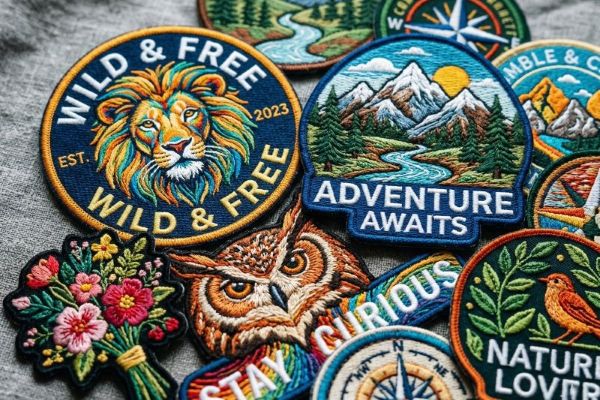
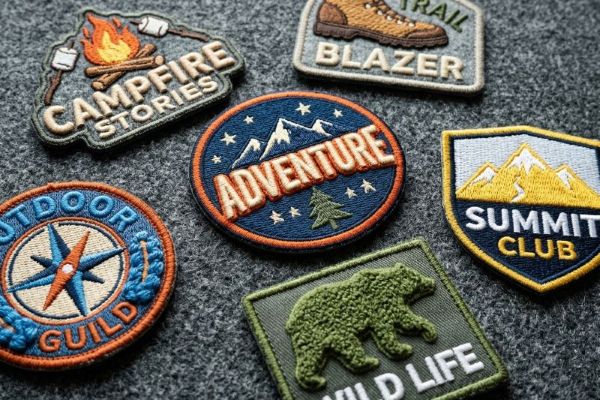
Custom patches are a versatile and effective way to add branding, identification, or decorative elements to clothing, accessories, and gear. Whether you're a business looking to uniform your team, a club wanting to show membership, or a fashion brand adding unique details, understanding the different types of patches available is crucial for making the right choice.
Types of Custom Patches
1. Embroidered Patches
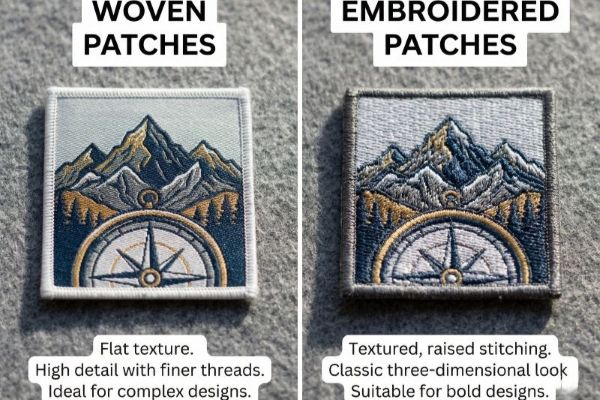
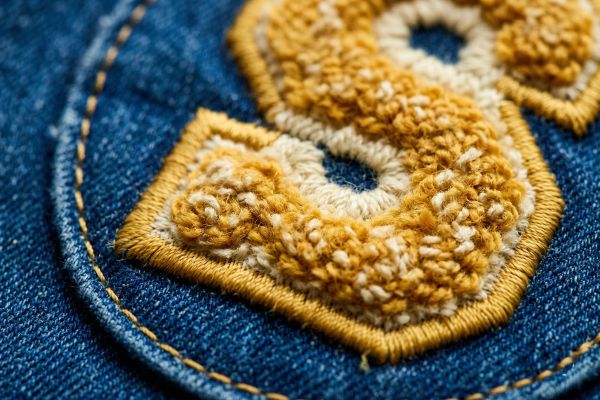
Embroidered patches are the classic choice, featuring thread stitched onto a fabric backing. They offer a traditional, textured look that's perfect for uniforms, clubs, and organizations.
Pros:
- Classic, professional appearance
- Durable and long-lasting
- Wide range of thread colors available
- Various coverage options (50%, 75%, 100%)
Cons:
- Not ideal for very fine details or small text
- Can be thicker than other patch types
- Higher cost for 100% coverage
2. Woven Patches
Woven patches use thinner threads woven together to create the design, allowing for more detail than embroidered patches. They're perfect for intricate designs and small text.
Best for:
- Detailed logos with fine lines
- Small text and intricate designs
- Applications requiring a thinner profile
- Photorealistic designs
3. PVC Patches
PVC (polyvinyl chloride) patches are made from soft, flexible rubber material. They're waterproof, extremely durable, and perfect for outdoor and tactical applications.
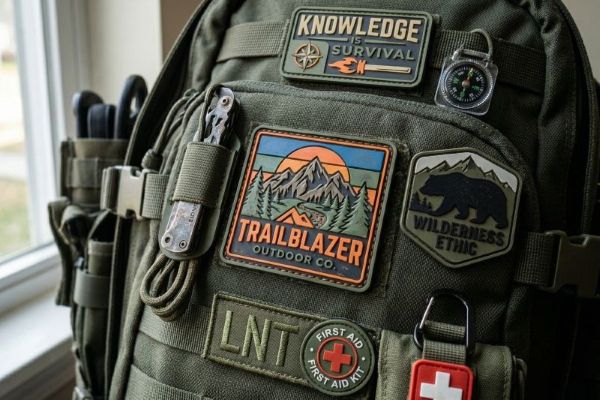
Advantages:
- 100% waterproof and weather-resistant
- Can withstand extreme conditions
- 3D molded designs possible
- Easy to clean and maintain
4. Leather Patches
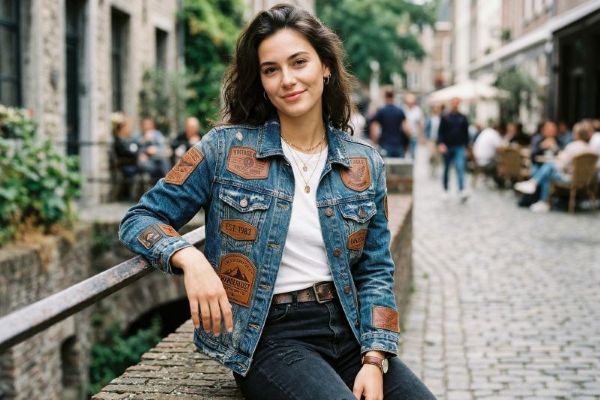
Leather patches add a premium, rustic touch to apparel and accessories. Available in genuine or faux leather, they're commonly used on denim, hats, and bags.
Understanding Embroidery Coverage
When ordering embroidered patches, you'll need to choose your embroidery coverage:
50% Coverage
About half the patch surface is covered with thread. The background twill is visible, creating a more cost-effective option while maintaining a professional look.
Best for: Simple designs, budget-conscious projects75% Coverage
Most of the patch is covered with thread, with some background still visible. A good balance between appearance and cost.
Best for: Medium complexity designs100% Coverage
The entire patch surface is covered with thread. This provides the most premium look but at a higher price point.
Best for: Premium brands, complex designsBacking Options Explained
The backing you choose determines how your patch will be attached to the garment or item. Here are the most common options:
Sew-On (No Backing)
The traditional method. The patch is sewn directly onto the fabric. This is the most secure attachment method and works with all fabric types.
Iron-On
Features a heat-activated adhesive backing. Quick and easy to apply with a household iron or heat press. Great for DIY applications.
Pro Tip
For iron-on patches, we recommend sewing the edges as well for maximum durability, especially on items that will be washed frequently.
Velcro (Hook & Loop)
Allows for easy attachment and removal. Perfect for tactical gear, uniforms that need frequent changes, or when you want to swap patches between items.
Adhesive/Peel & Stick
3M adhesive backing for permanent attachment. Best for hard surfaces or when sewing isn't possible.
Design Tips for Custom Patches
1. Keep It Simple
While woven and printed patches can handle fine details, simpler designs often work better for embroidered patches. Bold lines and clear shapes translate best to thread.
2. Consider Size
Very small patches (under 2 inches) may not show fine details well. Consider the minimum size needed for your design elements to be visible.
3. Color Choices
Limit your color palette for embroidered patches. While we can do up to 12 colors, designs with 3-7 colors often look more cohesive and are more cost-effective.
4. Border Matters
Choose the right border for your application:
- Merrowed border: Classic overlock edge, best for standard shapes
- Heat-cut border: Clean, flat edge for any shape
- Laser-cut border: Precision edge for intricate custom shapes
Choosing the Right Patch for Your Application
Corporate Uniforms
Recommended: Embroidered patches with 75% coverage
Professional appearance, durable for daily wear
Motorcycle Clubs
Recommended: Large embroidered patches with sew-on backing
Traditional look, maximum durability
Outdoor Gear
Recommended: PVC patches with velcro backing
Waterproof, weather-resistant, easy to swap
Fashion Brands
Recommended: Woven or leather patches
Premium look, fine detail capability
Conclusion
Choosing the right custom patch depends on your specific needs, budget, and application. Embroidered patches offer classic appeal, woven patches provide fine detail, PVC patches deliver durability, and leather patches add premium style.
Consider your design complexity, intended use, and attachment method when making your choice. And remember, our team at ChinaPatchFactory is always here to help you select the perfect patch type for your project.
Ready to Create Your Custom Patches?
Get a free quote and digital proof within 12 hours. No minimum order required!
Get Free Quote